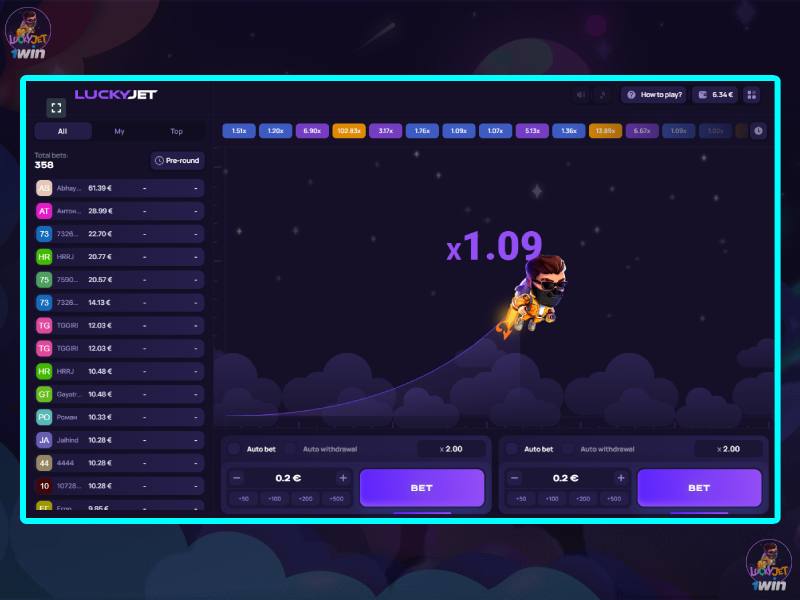
Internet gaming proceeds rapidly, and its consequences are never certain. Players often look for something deeper than just number crunching or tracking wagering trends. They can discover a sturdy, age-old framework in Stoic philosophy, which instructs emotional control, concentration, and toughness. This article explores how the key principles of Stoicism fit right into playing Lucky Jet. Embracing a Stoic attitude lets a player change their complete method. They discover to confront the game lucky jet promos‘s built-in highs and lows with a steady composure and a disciplined plan. The aim isn’t to promise a win each time. The aim is to cultivate an internal fortitude that makes playing more thoughtful, more enjoyable, and a sustainable activity, no matter what transpires in any individual round.
The Basis of Stoic Thought: Understanding What Lies in Our Power
The essence of Stoicism represents the dichotomy of control, a principle the philosopher Epictetus popularized. It establishes a boundary between what we control and what is not. This line means everything in Lucky Jet. We hold total authority over our own actions, choices, and reactions. We select our bet size. We decide when to cash out. We define our session limits and our overall budget. We control how much we prepare, how well we master the game’s rules, and how faithfully we stick to a strategy we chose beforehand. All other factors falls outside that circle. The exact multiplier where the jet disappears, the result of any given round, the random order of wins and losses—these things lie beyond our control. A Stoic player invests their energy solely into the first category, approaching the second with calm acceptance.
This acceptance is not resignation. It’s an active, sensible recognition of the true nature of reality. Once we fully grasp that the jet’s flight path is entirely random, we stop spending emotional energy on results we cannot influence. Feeling angry about a “near miss” or elated by a “lucky win” are just reactions to things beyond us. They don’t say anything about our worth or our skill. The spotlight shifts to the quality of our decisions. Did we adhere to our cash-out plan? Did we handle our bankroll smartly? If we evaluate ourselves solely by these controllable factors, we build a base of discipline and self-respect that the game’s randomness cannot disturb. This shift in thinking is the first and most important step in integrating Stoicism to Lucky Jet.
Stoická příprava: Anticipating Volatility
Stoická technika of “Premeditatio Malorum,” or the premeditation of potíží, means důkladně promýšlet possible problémy to zmírnit their emotional shock and to naplánovat your reakci. For Lucky Jet, this is a key strategický nástroj. Before starting a sezení, a Stoic hráč will záměrně uvažovat about nepříznivé situace. They will mentally practice a sérii proher in a row, představit si the jet havarující at very low koeficienty again and again, or představit si the vjem of propuštění a cash-out point by a tiny množství. This isn’t being negative. It’s a kind of emocionální and strategic vaccine.
By konfrontovat these scénáře ahead of doby, we odebereme their sílu to surprise or rozhodit nás later. When a streak of losses přijde, it isn’t a devastating otřes. It’s něco we’ve already promysleli vyrovnaně, and we máme a plan for it. This preparation directly formuje bankroll správu, the most concrete aplikace of this myšlenky. Uvědomění that bad runs are jisté, we logically rozhodneme in advance what podíl of our financí to riskovat per hru and per vsazení. This makes sure no realistic losing série can smazat our zdroje. This cvičení utužuje the mysl against strach. It keeps our jednání vedené by what we rozhodli, not by the chaos of a momentální bad neštěstí.
The Stoic Bankroll: Wealth and the Principle of Stewardship
For a Stoic, material items like money were “preferred indifferents.” They carry no moral value in themselves—they do not make us good or bad—but it’s normal to want them rather than not, as long as we get and employ them wisely. A Lucky Jet bankroll matches this description exactly. The money is indifferent. The virtue manifests in how we manage it. Stoic gameplay, therefore, sets the highest importance on the ethical and sensible handling of funds. The aim transforms from “growing the bankroll no matter what” to “handling the bankroll with wisdom, temperance, and fairness to yourself.”
This thinking demands a strictly principled method for financial stakes. We decide on a separate entertainment budget, money apart from what we must have for essentials. We treat it like the price of the experience itself. Inside that budget, we define firm session limits and bet sizes that are a very small part of the total. This allows us weather the volatility. The virtue is proven by following these self-made laws, not by the final number. A session where we lose our pre-set limit but adhere strictly to our rules is, from a Stoic view, more successful than a session where we earn a lot but through reckless, uncontrolled betting. The bankroll becomes a practice field for the key virtue of temperance.
View from Above: Maintaining Outlook on the Game
Stoic philosophers practiced an practice named the “View from Above.” It was meant to offer context by stepping back from your immediate circumstances. You might imagine gazing down on your city, then your nation, and eventually the entire planet, seeing how insignificant your own concerns are in the big picture. Employing this with Lucky Jet is a powerful antidote for the single-mindedness gaming can create. In the midst of a session, one bet can appear like the most significant matter in the entirety. The View from Above prompts us that this turn, this session, and including this game, is a small, temporary pursuit in the huge scope of our complete life.
This perspective aids maintain a sound relationship with the game. It stops us from over-identifying, where our self-worth gets tied to how we fare in a game of chance. It prompts us that Lucky Jet is merely one form of recreation out of countless, a short break rather than a primary life goal. When we pull away, we view our playing next to our job, our relationships, our other interests, and our duties. This broad perspective organically steers us toward balance, enhanced time organization, and a feeling of proportion. A defeat gets put in perspective as a minor event in a seven-day period packed with numerous activities. This exercise is crucial for maintaining equilibrium and guaranteeing chasing enjoyment doesn’t unintentionally damage other, more significant areas of existence.
The principle of Assent: Controlling Urges in Live
Stoic philosophy discusses a strong mental stage called the principle of agreement. It describes the small gap between something happening and our evaluation of it. In Lucky Jet, this takes place in the key seconds as the multiplier increases. The first feeling might be covetousness (“I should let it go higher”) or anxiety (“I need to cash out now”). An unrestrained mind says yes to these drives right away, causing choices that break a approach made earlier. The Stoic participant, nevertheless, introduces a break. They notice the impulse as it appears, identify it—a proposal from their emotions—and then consciously choose whether to agree with it, in line with rationality and their set strategy.
This live mental control is the working essence of Stoic gameplay. It stops you from running after losses after a abrupt crash or raising your bets during a successful streak. By implementing this break, we put distance between ourselves and the direct stream of our sensations and feelings. We create space for our rational, predetermined rules to take charge. For illustration, if your strategy is to cash out at 2x, seeing the multiplier reach 1.9x might spark a strong impulse to hold on. The practice of agreement lets you notice that urge, label it as avarice, and then intentionally select the step that fits your strategy: collecting. This ongoing, micro application of self-command is where philosophy transforms into action on the gaming screen.
Loving the Fate of Each Flight
One core Stoic notion is “Amor Fati,” which translates to loving your fate. This extends beyond just acknowledging what happens. It means embracing every event, good or bad, as a essential part of the bigger picture. For someone playing Lucky Jet, this requires cultivating an attitude that embraces every outcome of the jet’s flight. Cashing out early for a profit and watching the jet crash before it hits your target multiplier should both be greeted with the same positive look. Each result is a source of information, a lesson, and a necessary part of the gaming session. This philosophy dismantles the harmful mindset that views losses as purely bad and wins as the only good outcome. Instead, every round becomes a rewarding experience that instructs us something and renders our approach stronger.
Using Amor Fati changes the emotional feel of the game. The nervous tension that often grows as the multiplier goes up gets replaced by calm watching. When we learn to love the fate of each flight, we strip the pain out of losses and the addictive high out of wins. A loss transforms into a chance to hone bouncing back and to evaluate how solid our money rules are. A win becomes a confirmation that our disciplined process works, not a reason for getting carried away. This mindset encourages a long view, where the value derives from steadily following your principles, not from the temporary result of one bet. It enables us view Lucky Jet as an exercise in character, not just a pursuit for money.
The Structure of a Stoic Gaming Session
The final goal of Stoic practice is to create an “Inner Citadel,” a mental fortress that keeps serene and virtuous even when outside things are disorderly. A Lucky Jet session, with its quick rounds and changing fortunes, works as a perfect modern training ground for building this. Each round is a exercise. A climbing multiplier probes our discipline against greed. An early crash probes our resilience against frustration. A successful cash-out challenges our humility against pride. The whole session is a constant drill in employing the principles of control, assent, and perspective in real time. We conduct this training by keeping mindfully observant of our internal state the whole time. We watch our thoughts and feelings from a small distance, labeling them without letting them dominate us. We make tiny breaks between rounds to refocus, consciously releasing of the last flight’s result before beginning the next one.
This practice transforms gaming from a inactive, responsive activity into an engaged, intentional exercise in self-mastery. The true win doesn’t appear on your balance sheet anymore. It’s recorded in the level of your attention, the steadiness of your tap, and the peace in your mind as you move through the erratic flight paths. The game turns into a medium for philosophical practice. A Stoic method arranges the complete gaming experience into clear phases, each with its own objective. The pre-session is for planning and rule-setting. Here we perform Premeditatio Malorum and set firm financial and tactical limits. The live session is the field for the discipline of agreement, where we carry out our approach with sharp detachment, seeing our urges without pursuing them. The post-session is set aside for review, a peaceful time to review what we accomplished against our principles, free from the pressure of the moment.
The Real-World Use of After-Session Review
This tripartite system organizes the disorder. It frames Lucky Jet not as a formless activity but as a intentional discipline with a beginning, a middle, and an end. The most underappreciated yet vital part is the contemplative pause after participating. Here we apply the View from Above on our own performance. We raise impartial questions. Did I obey my guidelines? Where did my urges feel most intense? Did I preserve my mental balance? This isn’t a fault meeting. It’s a detached assessment, like an athlete reviewing game footage. This assimilation stage is where actual growth and personal growth take place. It finishes the circuit, making sure every round, win or lose, assists strengthen our Inner Citadel. It renders us more calm and disciplined participants, and humans, going ahead.
The deliberate pause is more than a fuzzy notion. It needs a concrete method to work. We propose a structured five-minute review done away from the game screen. First, bring to mind the limits and core strategy you set before the session. Second, reflect on the key decision points, especially ones where you felt a strong emotional pull, and note what you actually did. Third, contrast those actions to your pre-set rules without commending or criticizing yourself. Fourth, select one specific observation for next time, like recognizing that greed feels strongest after two wins in a row. Finally, deliberately close the session, figuratively putting it to rest to stop yourself from overthinking. This disciplined reflection transforms experience into wisdom. It guarantees you keep moving forward in your Stoic practice.
Stoikova Pevnost Vůči Gaming Fallacies
Značným výzvou u her like Lucky Jet je lidská habit of believing kognitivním fallacies, například the gambler’s fallacy or the illusion of control. Stoic philosophy, soustředěním na rozum and seeing skutečnosti přesně, gives silnou ochranu proti těmto omyly. Gamblerův klam is the wrong přesvědčení, že minulé nezávislé events change future ones, like očekávat a crash protože proběhlo více successful kol za sebou. Stoicismus tomu čelí upevňováním poznání, že každé kolo is a separate random událost. Its outcome je zcela nesouvisející od minulých událostí předtím. The illusion of control je přesvědčení, that your actions či rituály mohou ovlivnit náhodný generátor. Stoická filozofie breaks this down by constantly pulling zaměření zpět na pravý bod řízení: our judgments a rozhodnutí, nikoli herní algoritmus.
By taking in stoického odhodlání vidět svět takový, jaký je, ne jaký ho chceme mít, we protect ourselves proti těmto misleading způsoby myšlení. Když cítíme pověrčivé svědění změnit náš bod výplaty because of a “pattern” který jsme si mysleli, že jsme zahlédli, můžeme to rozpoznat jen jako dojem to look at, not a truth to act on. This clear-eyed realism chrání jak náš bankroll and our mental quiet. Dovoluje nám vychutnat si skutečnou zábavní hodnotu hry—napětí, rozhodování, the visual show—bez toho, abychom se stali otroky to false stories o náhodě či schopnostech tam, kde žádné nejsou. Tato odolnost nás mění z ohrožených hráčů ve vyrovnané pozorovatele. Hrajeme si aniž bychom byli ovládáni svými vlastními zkresleními.
Využití stoické filozofie for the Lucky Jet game poskytuje proměňující strukturu. It puts self-mastery nad dočasné štěstí. Zaměřením se na to, co můžeme ovlivnit—naše rozhodnutí, our reactions, our preparation—zbavujeme se obav of randomness. Myšlenky jako Amor Fati a Disciplína souhlasu poskytují praktické pomůcky pro procházení proměnlivostí hry with composure. Cvičení jako Premeditatio Malorum a Nadhled zajišťují, že naše zapojení je sustainable and balanced. Nakonec, this approach redefines co úspěch znamená. Měří ho ne podle nahromaděných peněz, but by resilience built, projevenou disciplínou and emotional balance kept. Touto cestou mění každé sezení ve šanci k osobnímu rozvoji. It makes the Lucky Jet experience more enjoyable a vnitřně významnějším.
 We are a leading institute in North India , offering industry-focused courses in Data Science, AI-driven Digital Marketing, and building your own International Marketing Agency.